What to Do When the Power Goes Out: Your 72-Hour Plan
This post contains affiliate links. If you buy through them, we may earn a small commission at no extra cost to you. Learn more.
The lights flicker, the fridge goes quiet, and your phone is at 34%. Most power outages are over in a few hours. But storms, ice and grid problems can stretch them into days. The difference between a miserable three days and a manageable one is what you do in the first hour.
// Quick picks
Rechargeable LED Headlamp →Collapsible LED Lantern →Panasonic Eneloop AA Rechargeables →This is the exact plan we use. Print it, stick it inside a kitchen cabinet, and you will never have to think about it in the dark.
The first 15 minutes
- Grab your light. Flashlights or headlamps, not candles. Candles are one of the leading causes of house fires during outages.
- Check if it is just you. Look out the window, check your utility’s outage map on your phone, or text a neighbor. If it is only your house, check your breaker panel.
- Report it. Most utilities let you report by text or app. Do not assume someone else already did.
- Close the fridge and freezer. And keep them closed. This is the most important food decision you will make.
- Unplug sensitive electronics. TVs, computers and gaming systems can be damaged by a power surge when the electricity comes back.
- Switch your phone to low power mode and lower the screen brightness.
Hours 1 to 4: protect your food
According to the USDA, a closed refrigerator keeps food safe for about 4 hours without power. A full freezer holds a safe temperature for about 48 hours, and a half-full freezer for about 24 hours, as long as the door stays shut.
If the outage looks like it will last longer than 4 hours, move milk, meat, leftovers and other perishables into a cooler with ice before that 4-hour mark. Keep an appliance thermometer in your fridge so you are not guessing. Food at 40°F or below is safe.
Never taste food to check if it is still good. Bacteria that make you sick do not always change the taste or smell. When in doubt, throw it out.
Hours 4 to 24: stay comfortable and connected
Keeping warm in winter
- Pick one room, ideally a small one with few windows, and make it your warm room. Close the doors to every other room.
- Hang blankets over doorways and cover windows with blankets or towels at night.
- Layer up: wool socks, hats and thermal layers. You lose a lot of heat through your head and feet.
- Everyone sleeps in the warm room. Body heat adds up.
- Never use a gas stove, oven or grill to heat your home. They produce carbon monoxide, which can kill you in your sleep.
Keeping cool in summer
- Stay on the lowest floor of your home. Heat rises.
- Close blinds and curtains on sunny windows during the day, then open windows at night if it is safe.
- Drink water constantly, even if you do not feel thirsty.
- Wet a towel and put it on the back of your neck. Battery-powered fans help a lot.
- Know the signs of heat exhaustion: heavy sweating, dizziness, nausea and headache. Kids, older adults and pets are most at risk.
Keeping phones charged
Your phone is your news source, your flashlight backup and your lifeline to family. Keep a charged power bank in the house at all times. A car charger also works, but only run your car outside, never in a garage, even with the door open.
Day 2 and beyond: settle in
- Eat from the fridge first (while it is still safe), then the freezer, then your pantry.
- Check on neighbors, especially older adults and anyone who relies on medical equipment.
- Fill bathtubs and pots with water if there is any chance your water could be affected. Some homes on wells lose water when the power goes out because the pump is electric.
- Keep a routine, especially for kids. Board games, card games and reading by headlamp go a long way.
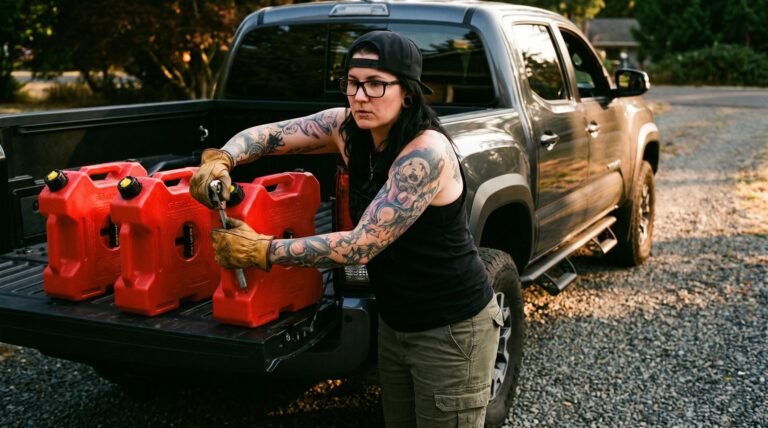
- Watch your gas tank. Gas pumps need electricity, so stations in the outage area may not be able to pump fuel.
Generator safety: read this even if you do not own one
Portable gas generators are lifesavers when used right and deadly when used wrong. Carbon monoxide from generators kills people every year during outages.
- Never run a generator indoors, in a garage, basement, shed or crawl space, even with doors open.
- Keep it at least 20 feet from your home, with the exhaust pointed away from windows and doors.
- Install battery-operated carbon monoxide alarms on every floor of your home.
- Never plug a generator into a wall outlet. This is called backfeeding, and it can electrocute utility workers. Use heavy-duty extension cords or have an electrician install a transfer switch.
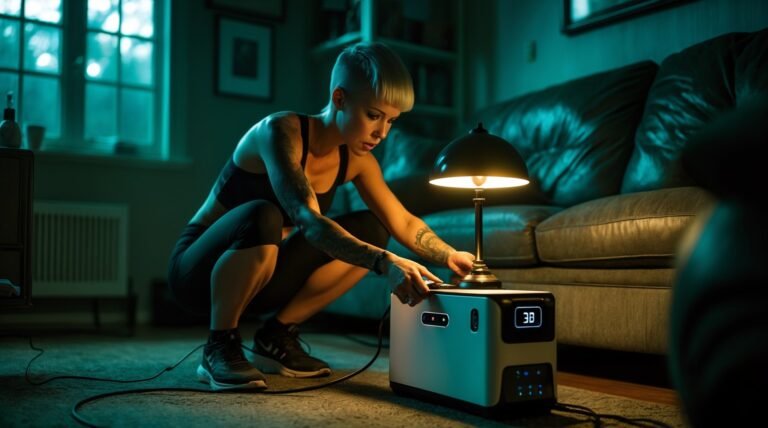
If you want backup power without fumes, a portable power station (a big rechargeable battery) can safely run indoors. We break down the best options in our guide to portable power stations for home backup.
Your 72-hour outage kit
Keep these together in one bin so you can find them in the dark:
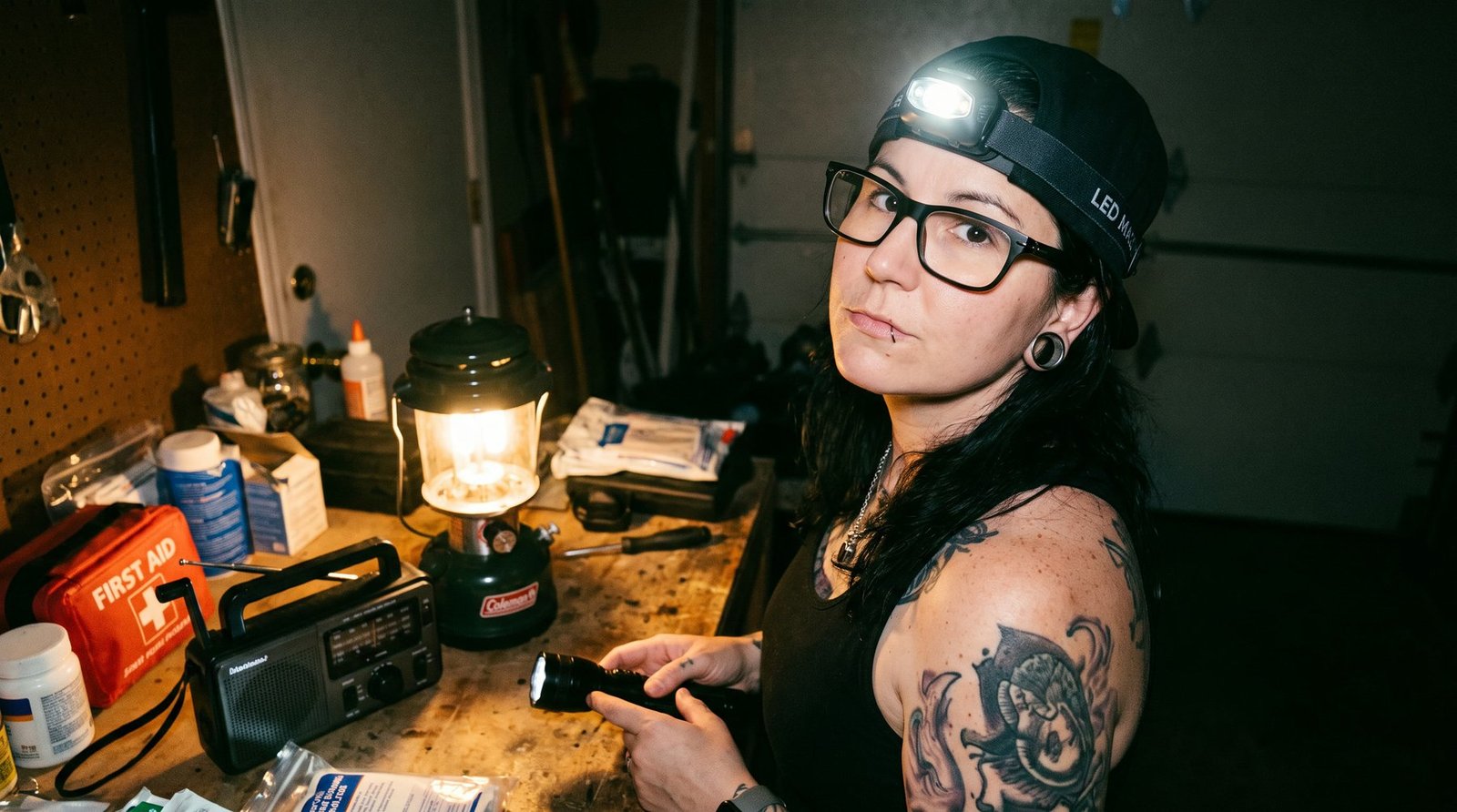
- Flashlights or headlamps for every person, plus extra batteries
- A battery-powered or hand-crank radio
- Power banks, fully charged
- At least 1 gallon of water per person per day for 3 days (see our water storage guide)
- 3 days of food that needs no cooking: peanut butter, crackers, canned tuna, granola bars, fruit cups
- A manual can opener
- A cooler and a few freezer packs
- Blankets and warm layers
- First aid kit and a 7-day supply of any medications
- Cash in small bills, since card readers and ATMs go down
- An appliance thermometer for the fridge and freezer
- Pet food and water for your animals
When the power comes back
- Wait a few minutes before plugging electronics back in, one at a time.
- Check fridge and freezer temperatures before eating anything.
- Refreeze food only if it still has ice crystals or is at 40°F or below.
- Restock anything you used from your kit right away, while it is fresh in your mind.
The Ready Woman rule: the best time to prepare for an outage is on a normal Tuesday when nothing is wrong. Build your kit this week and you will be the calm one next time the lights go out.
// Gear she trusts
Pack this
Light the dark
Hands free light for the breaker box, the stairs and the kids.
Panasonic Eneloop AA Rechargeables
Stop buying batteries. Charge these off a power station.
Power and info
FosPower NOAA Hand Crank Radio
Weather alerts, flashlight and phone charging with zero grid.
Heat and food
Indoor rated propane heat. Run a CO alarm right beside it.
Non negotiable the minute anything burns fuel near your home.
Fridge and Freezer Thermometers
Know exactly when food crosses into unsafe territory.
As an Amazon Associate we earn from qualifying purchases. It costs you nothing extra and keeps this site free.